

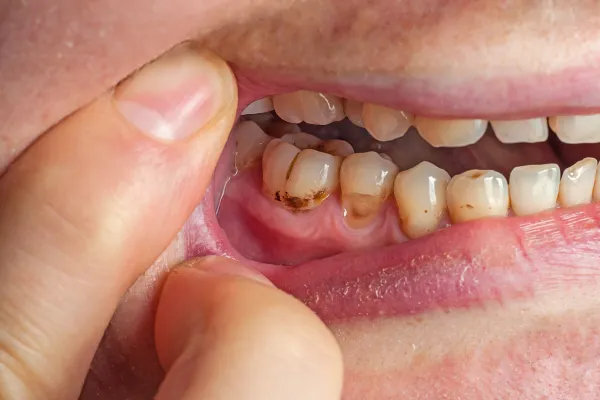
Understanding Gum Exams and Scaling and Root Planing
Your gums play an essential role in protecting the tissues that support your teeth. Yet gum disease can develop with little or no discomfort, making it easy to overlook changes until the condition becomes more serious. Bleeding when you brush, persistent bad breath, or gums that appear to be pulling away from your teeth are all reasons to schedule an evaluation.
We want you to understand what our dental team is checking, why certain treatments may be recommended, and how everyday habits can help protect your smile.
Gum problems often begin with plaque, the sticky film of bacteria that continually forms on teeth. When plaque accumulates along the gumline, it can cause inflammation called gingivitis. Gums may become swollen, tender, or prone to bleeding. Gingivitis can usually be reversed with professional cleaning and consistent care at home.
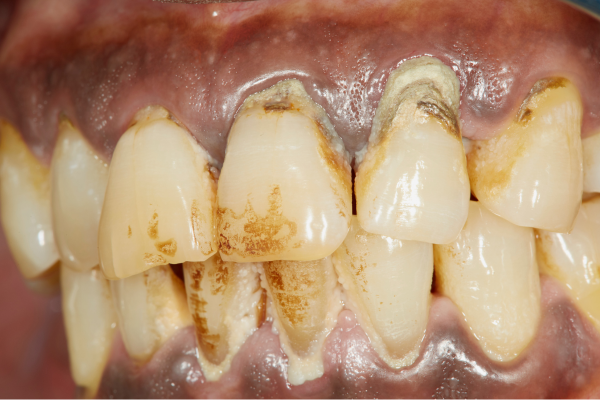
When gum disease progresses it becomes known as periodontitis. Periodontitis damages the tissues and bone supporting the teeth. Treatment can help control the disease, but brushing and flossing alone cannot restore the support already lost. That is why catching changes early matters.
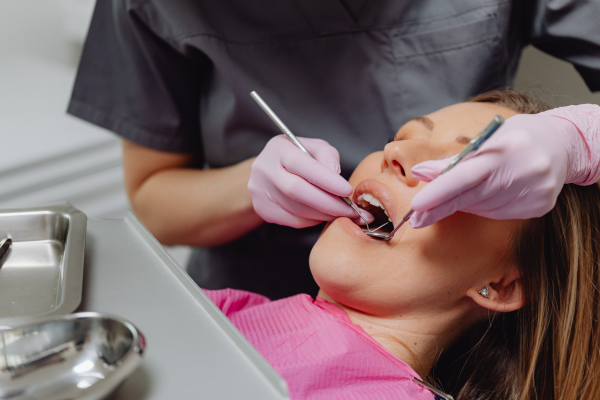
During a gum evaluation, our dental hygienists look beyond whether your teeth appear clean. Working with Dr. Birch or Dr. Williams, the hygienist gathers information about the health of your gums and the structures beneath them. Key findings include:
Inflammation and bleeding. Swelling, tenderness, and bleeding during gentle examination can signal irritated or inflamed gum tissue.
Plaque and tartar. The hygienist checks for bacterial buildup and hardened deposits, including areas that are difficult to reach at home.
Pocket depths. A small measuring instrument called a periodontal probe measures the space between each tooth and the surrounding gum. Healthy spaces are usually 1–3 millimeters deep. Deeper measurements warrant closer evaluation.
Gum recession and lost support. The team checks whether gums have pulled back and whether the tissues attaching to the teeth have lost support.
Loose teeth and bone changes. Tooth movement can indicate reduced support. When needed, dental X-rays help us evaluate the bone around your teeth.
Your medical history matters, too. Tobacco use, diabetes, and other health factors help us understand your risk and plan your care. These findings are considered together when evaluating gum disease.
Scaling and root planing is commonly recommended when an examination identifies periodontitis and the affected tooth surfaces need thorough cleaning beneath the gums. A routine preventive cleaning may be appropriate for someone with healthy gums, while gingivitis may require professional treatment focused on removing deposits and reducing inflammation. Periodontitis requires a treatment plan that addresses the disease affecting the teeth’s support. The American Dental Association recommends scaling and root planing as an initial nonsurgical treatment for periodontitis.
It's important to note that a deeper pocket measurement does not automatically mean you need scaling and root planing. Swollen gums can create deeper spaces even without loss of attachment or bone. Our team considers the measurements alongside bleeding, recession, X-rays, and other findings before recommending treatment.
Often called a “deep cleaning,” scaling and root planing has two parts:
Scaling removes plaque and tartar from tooth surfaces above and below the gumline, including deposits within periodontal pockets.
Root planing carefully cleans and smooths affected root surfaces, helping create conditions in which inflamed gum tissue can heal.
Local anesthesia may be used to keep the area comfortable. Depending on how many teeth need treatment and the extent of the disease, care may take more than one appointment.
Some temporary tenderness or tooth sensitivity can occur afterward. You will be provided instructions for cleaning the treated areas and managing discomfort. A follow-up evaluation checks healing, bleeding, and pocket depths to determine how well treatment has worked.
Ongoing care is essential. Many patients need periodontal maintenance, which includes professional cleaning and monitoring after gum disease treatment. We will recommend a schedule based on your needs. If pockets remain difficult to clean or disease persists, additional treatment or care from a periodontist (a gum specialist) may be recommended. Daily habits can help prevent gum disease and reduce the likelihood of needing scaling and root planing, and maybe even reduce needing additional treatment later:
Brush gently twice a day for two minutes. Use fluoride toothpaste and a soft-bristled toothbrush. With a manual brush, angle the bristles toward the gumline and use gentle, short strokes. Clean the inner, outer, and chewing surfaces. Replace your brush or brush head about every three to four months, or sooner if the bristles fray.
Clean between your teeth every day. Floss, appropriately sized interdental brushes, or a water flosser can help reach areas your toothbrush misses. With string floss, curve it around each tooth and gently clean along its side instead of snapping it into the gums. Ask our hygienists to demonstrate the best option for your mouth.
Keep your recommended dental appointments. Once plaque hardens into tartar, brushing cannot remove it. Professional care removes these deposits and gives our team an opportunity to identify changes before you notice symptoms.
Support your teeth with everyday choices. Avoid tobacco, choose a balanced diet, limit sugary snacks and drinks, and drink fluoridated water when available. These habits complement brushing and cleaning between your teeth.
Share health changes and speak up about symptoms. Tell our dental team about diabetes, medication changes, persistent bleeding, gum recession, or loose teeth. This information helps guide your care.
Good home care and regular visits can lower your risk, but they cannot guarantee that you will never need periodontal treatment. If scaling and root planing is recommended, it is an opportunity to address disease and protect your teeth.
Whether you have noticed bleeding gums or simply want to stay on track with preventive care, Aaron Birch Family Dental in Grand Junction is here to help. Call (970) 242-9202 or contact our office to schedule an appointment. We will help you understand your gum health and the next steps for caring for your smile.


Facebook
Instagram